Introduction
Over the past decade, public financial management (PFM) reform has emerged as a cornerstone of fiscal modernization efforts across East Africa. From Kenya’s digital procurement platforms to Somalia’s adoption of international accounting standards, the region has witnessed ambitious national reforms aimed at promoting transparency, accountability, and improved service delivery.
Yet, despite significant progress at the central government level, the reality on the ground remains uneven. The success—or failure—of these reforms increasingly hinges on one critical but often under-appreciated actor: the local government.
Local governments are the frontline providers of public services, charged with delivering health, education, infrastructure, and other essential services directly affecting citizens. However, in countries like Uganda, Somalia, Burundi, and Ethiopia, subnational governments often lack the staffing, systems, and autonomy necessary to implement financial reforms effectively. This article highlights the shared challenges local governments face across East Africa and illustrates how these limitations impede the transformative potential of national PFM initiatives.
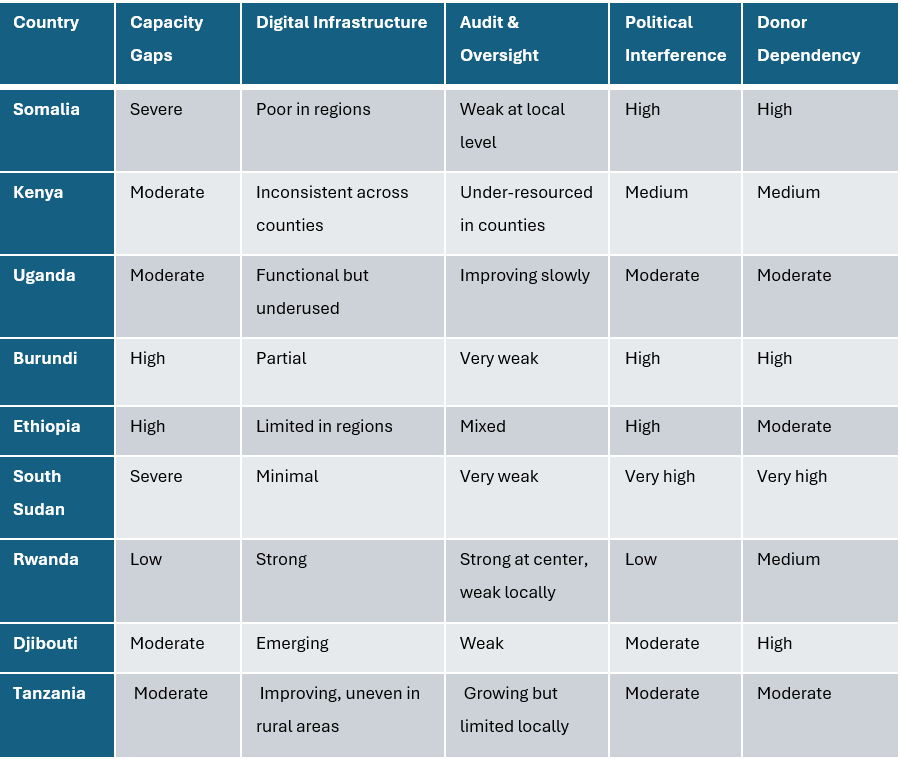
Table 1: Common Challenges in Local-Level PFM Reforms
Capacity Constraints at the Local Level
One of the most pervasive obstacles to effective PFM reform is limited institutional capacity at the subnational level. Many district and county governments suffer from severe shortages of trained accountants, auditors, and IT professionals. For instance, Somalia’s federal government has made commendable strides rolling out the Somali Financial Management Information System (SFMIS). However, many state governments still rely heavily on manual processes due to inadequate infrastructure and limited technical expertise. Similarly, Uganda has deployed an upgraded Integrated Financial Management System (IFMS) to most districts, but inconsistent training and understaffing continue to undermine its effectiveness.
Digital Systems: A Double-Edged Sword
Digital tools like IFMIS have been central to PFM reform across East Africa, especially in Kenya, Rwanda, and Tanzania. These systems promise to improve transparency, enable real-time oversight, and reduce financial leakages. However, they also expose digital divides within countries. In regions with poor internet connectivity and limited technical support, digital systems can become sources of frustration rather than enablers of reform. For example, Kenya’s IFMIS has significantly improved national-level fiscal management, but in several counties, outdated infrastructure and unreliable power supply hinder its reliability and usefulness (Nyakang’o, 2022).
Gaps in Audit and Oversight
A functional internal audit system is essential for monitoring public spending and deterring mismanagement. Unfortunately, many local governments in East Africa do not have dedicated audit departments or operate under-resourced and poorly trained audit teams.
Burundi illustrates this challenge: despite central government investments in the SIGEFI system aiming to improve transparency, insufficient local audit capacity limits the system’s overall effectiveness (Republic of Burundi, 2023). Even in relatively advanced settings such as Rwanda, enforcement of audit recommendations at the district level remains inconsistent, reflecting a broader pattern of weak local accountability (Republic of Rwanda, 2024).
Political Interference and Limited Autonomy
Political dynamics frequently influence how reforms unfold at the subnational level. In several countries, local budget allocations are subject to political manipulation that favors short-term gains over sustainable development goals. Ethiopia is a telling example: some regions delay adopting nationally prioritized reforms because they do not align with local political agendas (Republic of Ethiopia, 2022). Such interference fragments reform implementation and compromises the integrity of broader PFM strategies.
Dependency on Donor-Driven Reforms
Development partner support has been crucial in advancing PFM reforms across East Africa. However, over-reliance on donor funding at the local level poses significant sustainability risks.
In fragile states like South Sudan and Somalia, donor-financed projects often drive reform momentum. Yet when external funding decreases, local governments frequently lack the resources or institutional ownership required to sustain progress. In Djibouti, for example, notable advances in budget execution and performance-based budgeting have been realized, but reform depth remains limited due to weak domestic financial commitments (Republic of Djibouti, 2023).
A Path Forward: Localizing Fiscal Reform
For PFM reforms to yield better services and enhance accountability, success must extend beyond capital cities to counties, districts, and municipalities. Achieving this requires more than simply replicating national systems at the local level. A localized approach calls for investing in tailored capacity-building programs, empowering local governments with greater decision-making authority, and strengthening grassroots oversight institutions. Governments should prioritize continuous professional development, expand access to digital infrastructure, and create inclusive channels for citizen participation in local budgeting and planning processes (ACCA, 2024).
Only by placing local governments at the heart of fiscal transformation can East Africa fully realize the potential of its PFM reform agenda.
This blog was authored by Omer Salah Aden, Finance and Development Specialist and Senior Advisor – Financial Institutions, Somalia. The views and opinions expressed in this blog are solely those of the author, based on his own research and analysis. For correspondence, you may contact Omer through this email atoomar.salah@gmail.com.
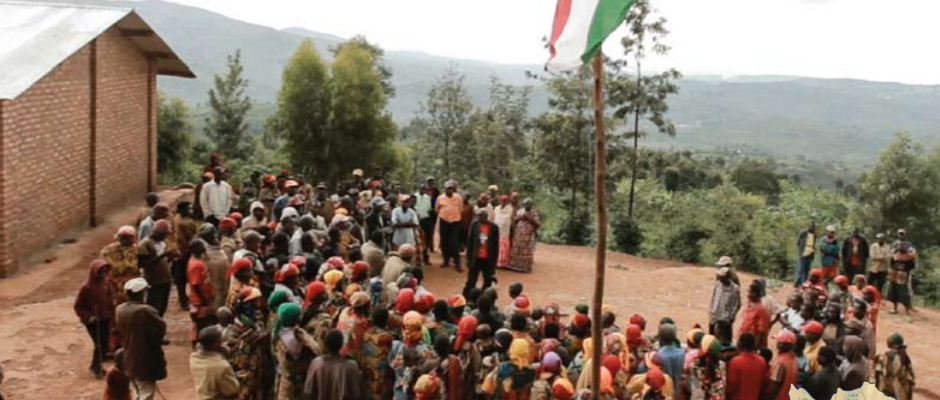
Photo by Peter Mitchell on Unsplash